Kathiawad
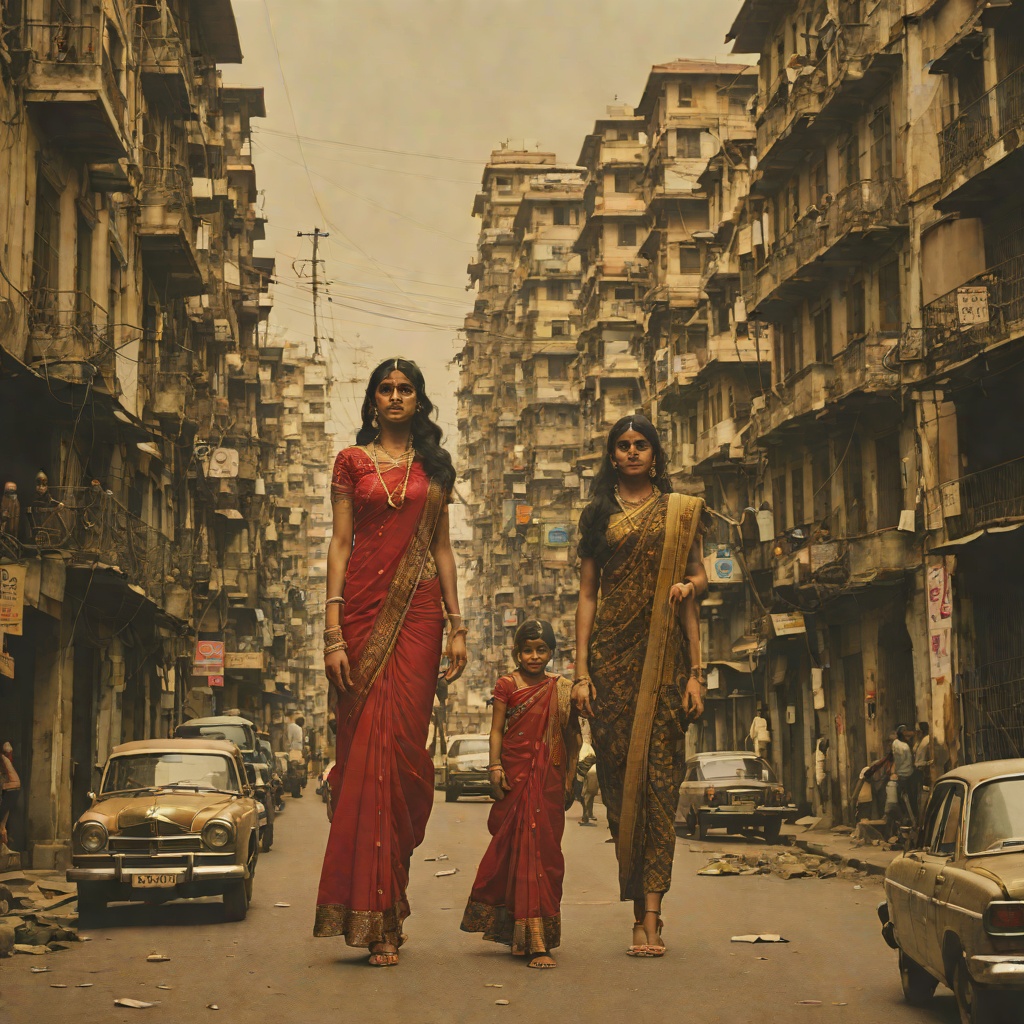
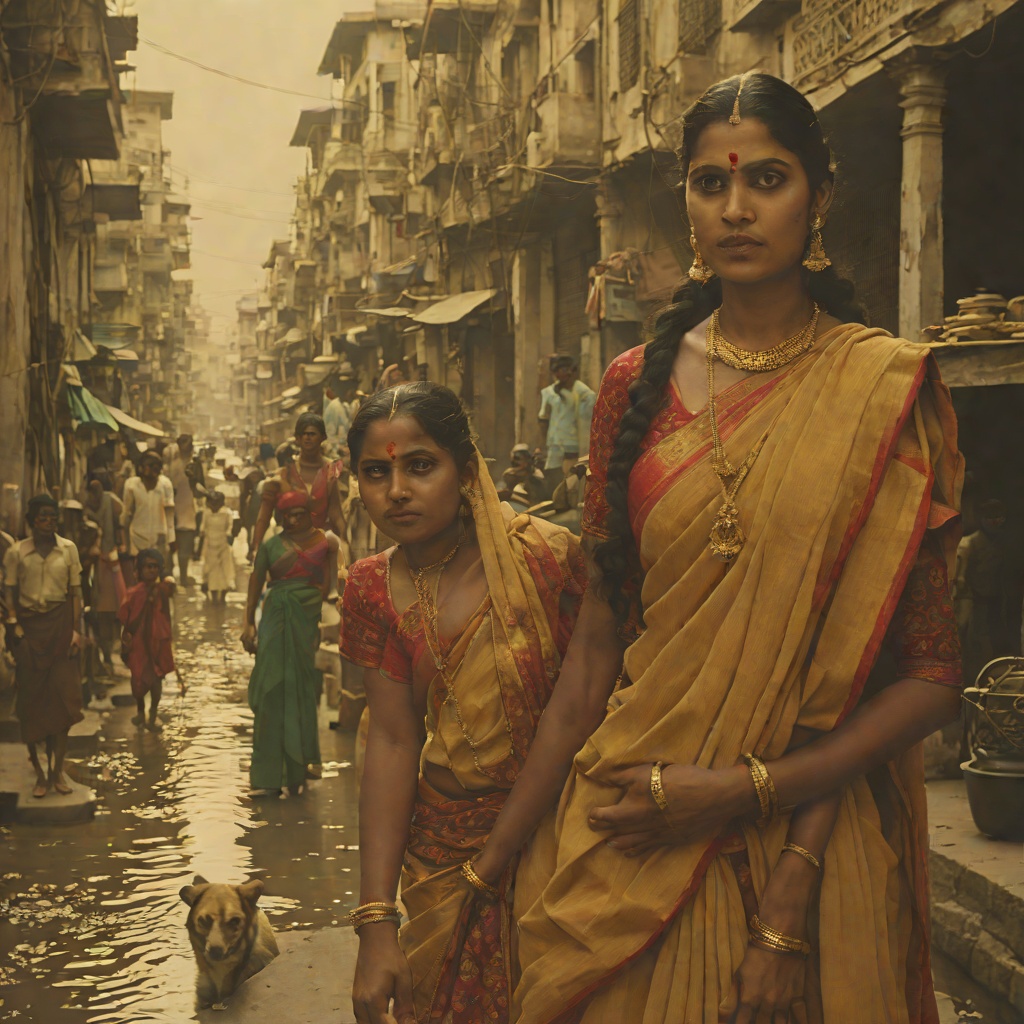
Mafia Queens of MumbaiKathiawad, a region in Gujarat, serves as the ancestral and emotional origin point for one of the most powerful women in Mumbai's underworld. It is the place from which a young Ganga Harjeevandas Kathiawadi flees, and the community whose moral judgment continues to shape her decisions long after she has left. The region's conservative values, its royal connections, and its tight-knit social fabric are the forces that both propel her toward a life of crime and define the identity she constructs in her new home. Kathiawad is not merely a geographical location in this narrative; it is the foundational contrast to the red-light district of Kamathipura, representing the world of respectability that Gangubai loses and the stigma she must navigate for the rest of her life.
A Respectable Upbringing and a Forbidden Dream
Ganga Harjeevandas Kathiawadi was brought up in the village of Kathiawad in Gujarat, in a family of reputed lawyers and educationists who shared strong ties with the royal Kathiawadi family. Her father and brothers were strict disciplinarians who took a keen interest in her education, an unusual commitment for rural families in the 1940s. This disciplined and respectable environment, however, could not contain young Ganga's heart, which lay elsewhere: she was captivated by films and acting. Friends in school who had visited the city of Mumbai spoke to her about its buildings, the cars, the men, and the movies, and soon she became obsessed with the desire to visit the place. This desire only heightened when her father employed twenty-eight-year-old Ramnik Laal as the new accountant. Apart from being besotted by him, Ganga also learned that Ramnik had spent a few years in Mumbai, and she found herself drawn to him, looking for excuses to chat with him in the small room in the corner of her bungalow.
The Elopement and the Point of No Return
Their discussions, initially limited to Mumbai and her dreams of becoming an actress, soon catapulted into love. Ramnik promised to get her a role in a film in Mumbai through his contacts in the industry, and then asked if she wanted to marry him. Ganga was ecstatic, knowing she was treading uncertain ground but willing to take a risk because she was madly in love. However, she knew her parents would not allow her to marry Ramnik or approve of her choice of career. This was when Ramnik asked her to go with him to Mumbai, and Ganga immediately accepted, though her conservative upbringing prevented her from doing so without them getting married first. The day before they left for Mumbai, Ganga and Ramnik were married. This elopement marked her definitive break from Kathiawad, a decision that would have profound and irreversible consequences. After Ramnik sold her to a brothel in Kamathipura, Ganga was trapped. She had already dishonoured her parents by eloping, and her father, who must have already become a subject of ridicule, would never accept her back. Sheela, the brothel madam, also kept reminding her that once the villagers of Kathiawad learnt that she had stayed at Kamathipura, they would ostracise her family. Mortified by the likely consequences, Ganga finally decided not to return home, a decision that cemented her fate in the underworld.
A Name Carried from the Homeland
Even as she rose to power in Kamathipura, Gangubai maintained a last remaining association with her family name and her homeland. She was now called Gangubai Kathewali, a distorted version of the word kothewali, which also means 'performing sex workers'. Gangubai chose to call herself Kathewali, a deliberate choice that preserved a phonetic echo of her original surname, Kathiawadi. This act of naming is a subtle but powerful testament to her origins. In her public life, she would often reference her hometown in Gujarat, using it as a point of contrast to argue for the safety of Mumbai's streets. In her famous speech at Azad Maidan, she stated that the women of Kamathipura help blunt the bestial male aggression, something that cannot be done in her hometown in Gujarat. This reference serves to highlight the perceived moral hypocrisy of her homeland, where such protection is absent, while also grounding her own identity in that very place she left behind.
The Unseen Influence of a Lost Home
The shadow of Kathiawad extends beyond Gangubai's personal story, influencing the lives of other women in the book who are similarly displaced from their rural origins. Madhu, a sixteen-year-old girl who ran away from her village in Ratnagiri, is sold into the same brothel and endures horrific abuse, her story echoing Gangubai's own trauma and prompting a flood of memories. The pattern of rural girls being lured to the city with promises of marriage or film roles, only to be sold into prostitution, is a recurring tragedy that connects Kathiawad to the broader social forces that populate Mumbai's red-light districts. The region thus stands as a symbol of the patriarchal and conservative rural society that these women flee, and the harsh urban reality that awaits them. It is the world that judges them, the world they cannot return to, and the world whose values they must constantly negotiate as they carve out their own power in the criminal underworld.
The Legacy of a Name and a Place
Kathiawad's significance lies in its role as the moral and geographical counterpoint to the world of crime. It is the source of Gangubai's identity, the reason for her initial vulnerability, and the community whose rejection sealed her fate. Her success as a brothel madam, her political connections, and her legendary status as the 'Queen of Kamathipura' are all built upon the foundation of her lost homeland. The name she chose, Kathewali, is a permanent reminder of where she came from, even as she became one of the most powerful figures in Mumbai's underworld. In the end, Kathiawad is not just a place on a map; it is the defining force that shaped the woman who would become a legend, a testament to how the past, even when abandoned, continues to shape the future.